Current cancer treatments often kill many healthy cells alongside cancer cells. Completely preventing this damage to healthy tissue is one of the greatest challenges in the medical world. Gerco Kanbier, co-founder of GenLumina, is building a targeted therapy that selectively disables cancer cells using light. Working from the Leiden Bio Science Park, he is developing what he believes will become the new therapeutic standard in oncology within ten years.
The problem nobody solved
Oncology often hits its limits: treatments are typically heavy and invasive, damaging healthy cells in addition to the tumor. GenLumina is changing that with a unique method.
“We use an antibody or peptide to specifically target the cancer cell,” Gerco Kanbier explains. “We will then link our nanomedicine, which is only two nanometers in size, to it. Only when we shine a specific light frequency on it is the package activated in a controlled manner, destroying only that cancer cell.” Think of it as a light switch that turns the cell off.
The extraordinary part of this story? This technology was discovered by accident. During optical research on a biosensor at the Physics department, researchers discovered that at a specific light frequency, the sensor did not read the cells, but destroyed them instead. After ten years of fundamental research, the concept was patented by Leiden University (Faculty of Science) through Luris.
“As a scientist, you don’t just become an entrepreneur overnight; it’s really a process,”
From university to company
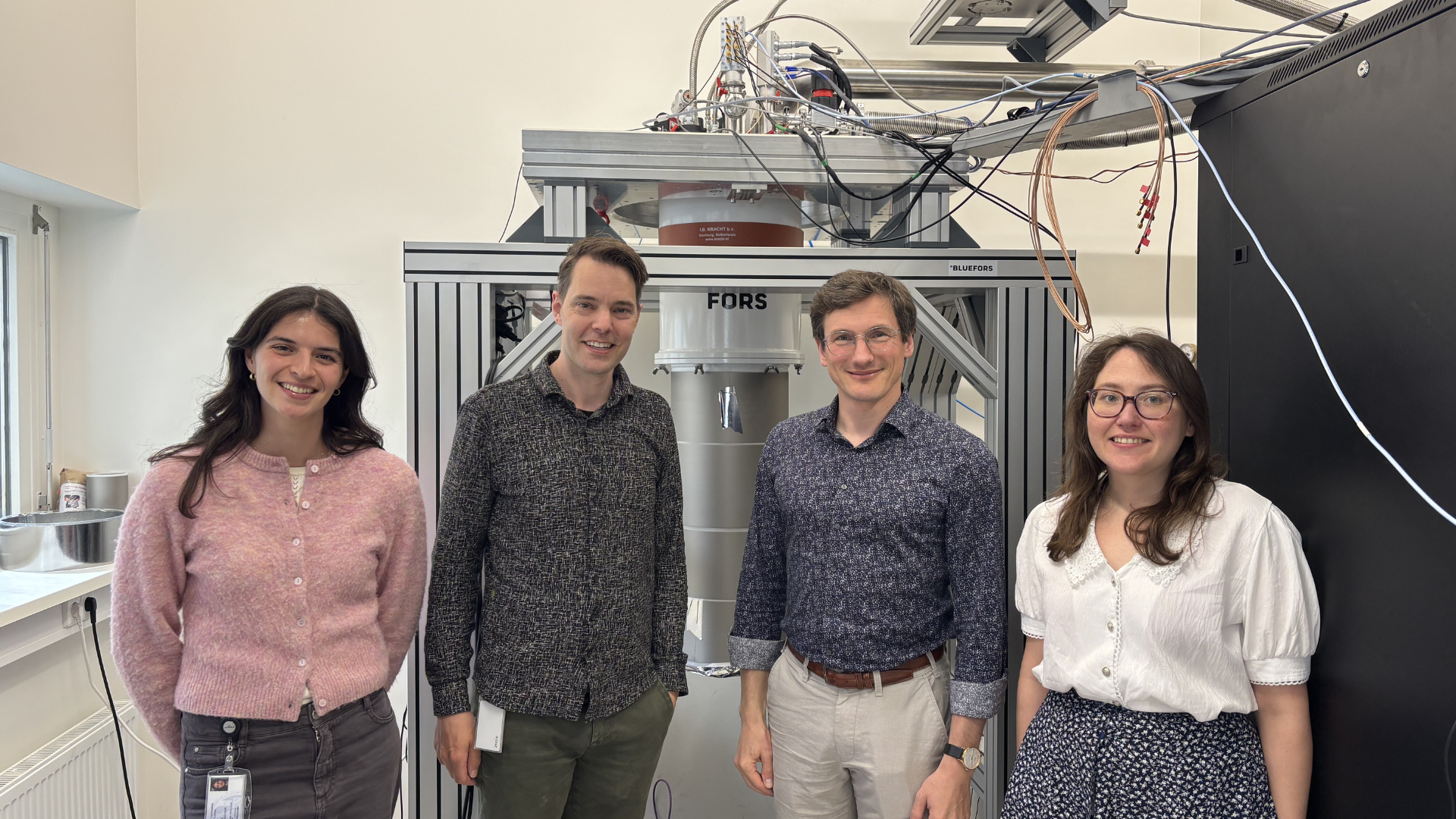
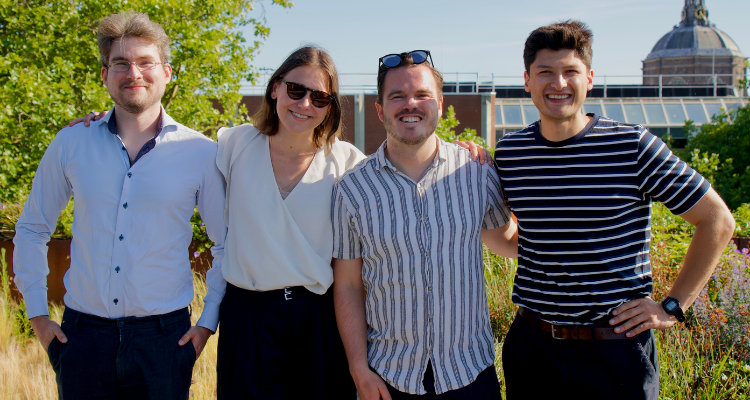
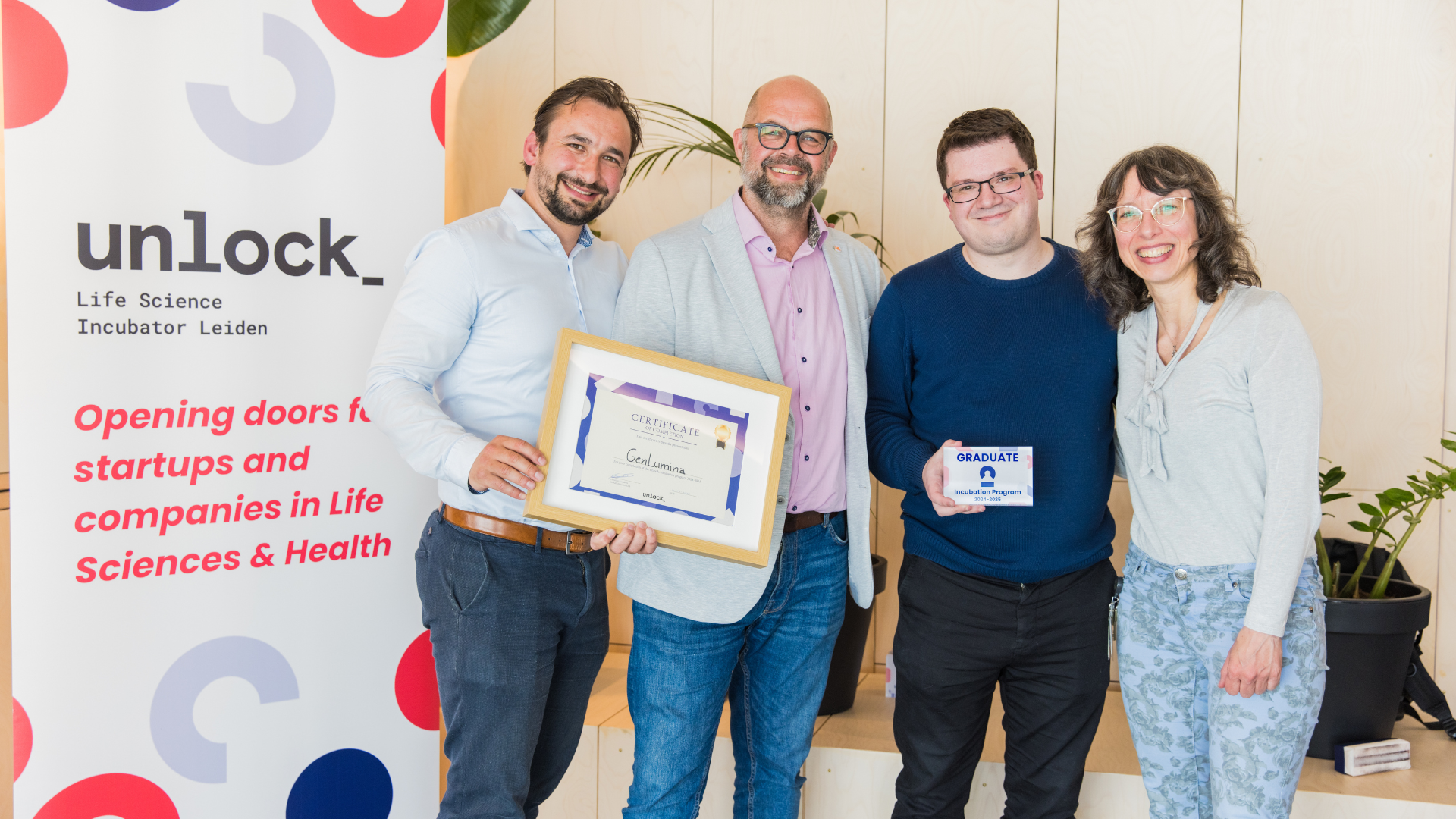
GenLumina’s story begins in the laboratories of Leiden University. In August 2024, the team decided to officially commercialize the technology. The startup is a classic spin-off built on three founders: professor of quantum optics Dirk Bouwmeester, CSO Donny de Bruin, and CEO Gerco Kanbier himself, who brings 25 years of entrepreneurial experience as the business co-founder.
“As a scientist, you don’t just become an entrepreneur overnight; it’s really a process,” says Gerco. While the scientists dove deep into the nanotechnology, he brought the knowledge, experience, and structure needed to build the company from the ground up.
PLNT as a starting point
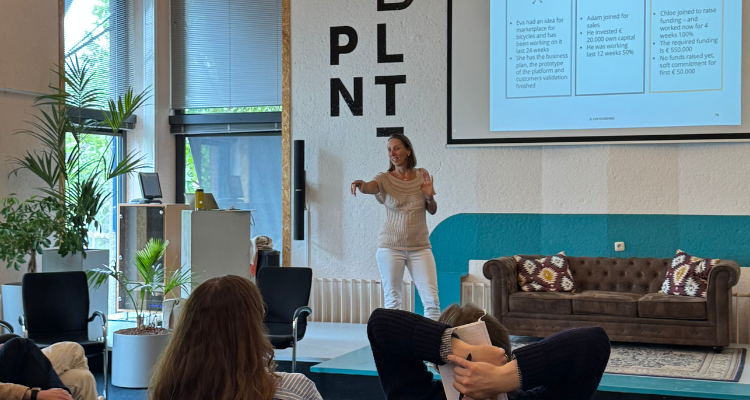
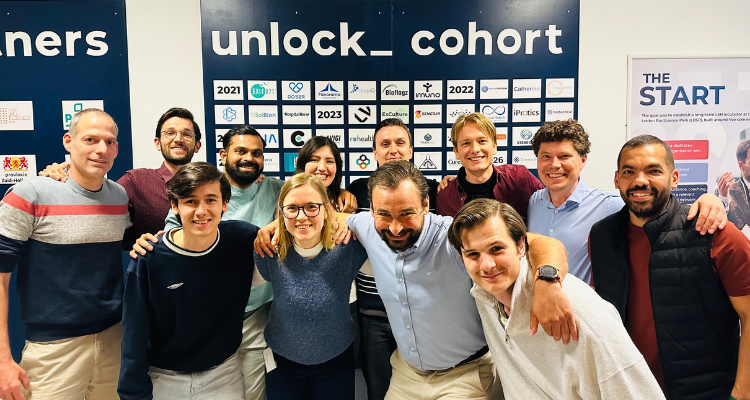
Before the team could truly get to work with the startup, they looked for guidance in the business world. They found it through Venture Academy and unlock_, programs run by PLNT. Here, the team learned how to build a preclinical roadmap, improve their pitches, and understand exactly what investors are looking for.
But just as valuable was the community surrounding PLNT. “It provides a great atmosphere and feels like home,” Gerco says. “You run into each other, ask how things are going, and keep each other sharp.” Thanks to this strong network and the guidance of coaches, the startup managed to take the right steps in its early stages and raise its first million euros in growth capital, which is now almost entirely being funneled into R&D and the lab.
Synergy at the Bio Science Park
GenLumina started simply with a flexible workspace at PLNT. While ideal for the administrative startup phase, the team quickly ran into practical limitations: their biological research required a physical laboratory.
“At one point, we were split across two locations: the office at PLNT and the lab in BioPartner 5,” Gerco explains. To foster collaboration and daily communication, the entire team relocated from PLNT to a combined office and lab space in BioPartner 5. To share expenses efficiently, GenLumina shares this costly infrastructure with 1NA, another startup the team knew from their time at Venture Academy.
What no one has seen before
The results GenLumina is demonstrating in the lab open the door to a new future. Where doctors and researchers previously had to accept that healthy cells would be collateral damage in the fight against cancer, GenLumina now shows just how locally and purposefully a tumor can be shut down.
The controlled destruction of malignant cells using light is something that has not been seen in practice before. While previous attempts have been made with light, such as photodynamic therapy, this works fundamentally differently: at GenLumina, light acts strictly as the switch that activates the drug.
The dream
The ambitions of the Leiden-based startup are high. In two to three years, the team aims to have completed the preclinical phase for a specific indication, including all necessary safety and efficacy tests on tissues and animal models.
“By then, we want to have the data ready to be approved by the regulator (EMA) to start the very first clinical trials on humans,” Gerco looks ahead.
To realize this dream and accelerate the process, GenLumina is currently actively seeking a private investor for €500,000. This will allow the company to leverage other financial instruments to fund the preclinical research over the next two to three years (a total of €6.1 million is needed to reach First-in-Human trials). The ultimate goal: to get this medicine into every oncology clinic in the world as a standard part of treatment, making cancer a definitively treatable disease.